

Back to School: Fall Sports
Back-to-school season means new schedules, new classes, and for millions of young athletes, a new sports season. From Friday night football and cross-country meets to soccer matches and volleyball tournaments, fall sports bring athletes back together after summer and kick off months of practices, competition, and progress.
That transition can also be demanding. Some athletes arrive at preseason practices after training consistently all summer, while others are returning after weeks away from structured activity. Add hot August practices, changing school schedules, new equipment, and rapidly growing kids, and the first few weeks of fall sports can be a bigger adjustment than they appear. Preparing for the season isn't only about buying everything on the back-to-school sports supplies list. It's about making sure young athletes have the right foundation to move comfortably, recover between practices, and stay active throughout the season.
What Sports Are in the Fall?
Fall sports vary by school, region, and age group, but the season includes some of the most popular team and individual sports for kids and teenagers. Common fall sports include football, soccer, cross country, volleyball, field hockey, and golf. Depending on the school or athletic organization, tennis, cheer, and other activities may also compete during the fall.
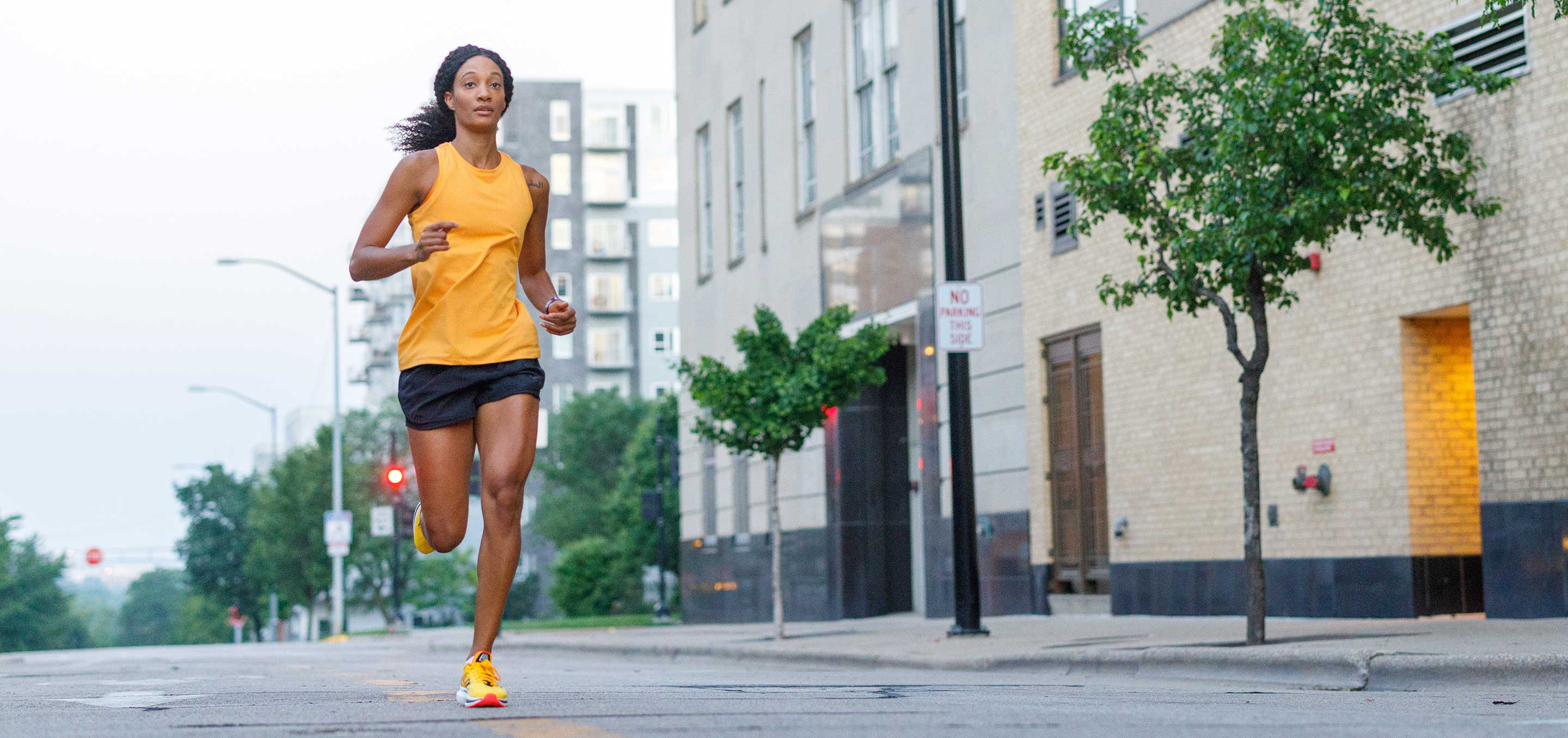
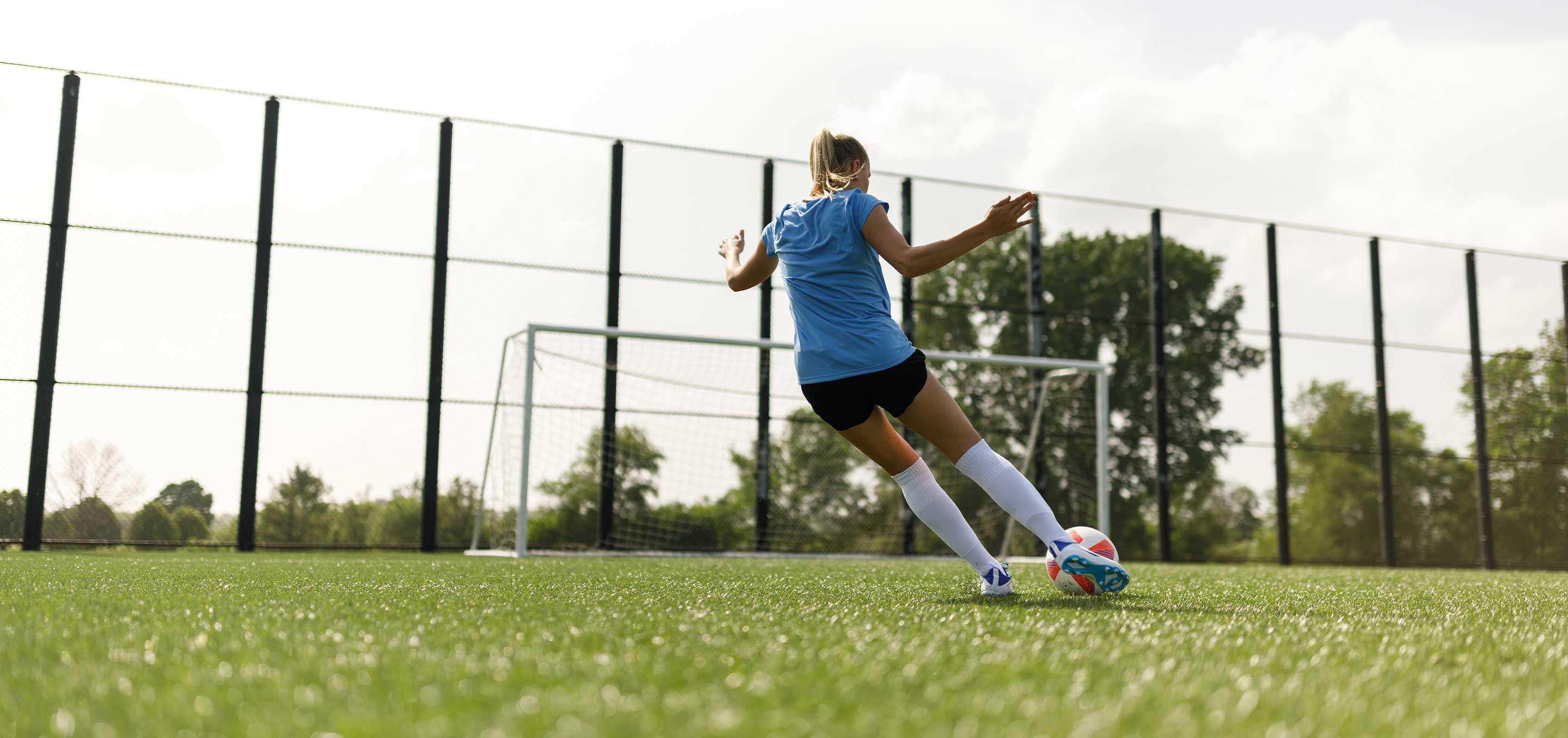
What these sports demand from the feet can be dramatically different. A cross-country runner repeats the same forward movement thousands of times over several miles. A soccer player sprints, cuts, pivots, and changes pace inside tight-fitting cleats. A volleyball player repeatedly jumps, lands, and moves laterally across a hard court. Football can combine acceleration, cutting, rotational movement, and contact. That matters when choosing footwear and support.

The Back-to-School Transition Is a Training Transition, Too
One of the most overlooked parts of fall sports is how quickly an athlete's routine changes. Summer might include later mornings, flexible training times, camps, or recreational activity. Once school starts, athletes may suddenly be waking up earlier, sitting through a full day of classes, heading directly to practice, completing homework, and repeating the schedule the next morning.
At the same time, preseason practices can be some of the most demanding sessions of the year. That makes gradual progression especially important. Current NFHS guidance emphasizes beginning training progressively, adjusting workouts for heat and humidity, maintaining hydration, and responding quickly when athletes show signs of distress.
Athletes shouldn't expect to recreate midseason conditioning on the first day of practice. Building back into sport-specific movement gives the body time to adjust to repeated running, cutting, jumping, and other demands.
Don't Ignore the Heat Just Because Fall Sports Have Started
"Fall sports" can be a misleading name. In many parts of the country, practices begin during some of the hottest weeks of the year. Football pads, soccer fields, cross-country routes, and other outdoor environments can add to the demands of training in warm conditions. NFHS recommends progressive heat acclimatization, appropriate hydration, and adjustments to practice intensity and rest periods as heat and humidity increase.
Athletes should arrive prepared with water and follow their school, coach, and athletic trainer's hydration and heat-safety protocols. Parents should also make sure young athletes aren't treating fatigue from a major schedule change as something they simply need to push through.
Start With a Back-to-School Sports Supplies Check
The beginning of a new school year is a natural time to inspect sports gear. Kids grow quickly, and equipment that worked at the end of last season may no longer fit correctly. Before the first practice, check:
- Sport-specific shoes or cleats for fit, outsole wear, and damage
- Insoles for compression, loss of shape, or visible wear
- Socks for appropriate fit and activity
- Protective equipment required for the sport
- Water bottles and hydration gear
- Practice and game uniforms
- Any sport-specific equipment required by the team
Don't assume a shoe still fits because your athlete can physically get their foot inside it. Check the fit while they're wearing the socks they actually use for practices and games, and pay attention to how the shoe feels during movement rather than only while standing still.
Why Foot Support Matters in Fall Sports
Every fall sport starts from the same place: the ground. Feet absorb and transfer force while running, jumping, landing, cutting, accelerating, and changing direction. When practice volume increases, those movements are repeated hundreds or thousands of times. Shoes are designed around the demands of each sport, but the factory liner inside the shoe may provide limited arch-specific support. That's where an activity-specific insole can help complete the shoe.
CURREX insoles are designed by German sports scientists and built around the movements of specific activities. Dynamic Arch Technology (DAT) supports natural movement, while high, medium, and low arch -rofiles give athletes options based on their individual arch profile.
Rather than using the same generic insert across every sport, activity-specific support accounts for the fact that a runner, soccer player, and court athlete aren't asking their feet to do the same thing.
Matching CURREX Insoles to Popular Fall Sports
Choosing the right insole starts with the sport and the shoe. The goal isn't to add as much material as possible. It's to complete the shoe with support designed around how the athlete moves.

Soccer and Football: CLEATPRO™
Cleated sports place unique demands on footwear. Cleats tend to be tighter and lower-volume than everyday athletic shoes, while athletes still need to sprint, cut, pivot, and accelerate.
CURREX CLEATPRO™ is designed specifically for cleated footwear. Its low-profile construction adds activity-specific support while working within the limited space of a cleat. Dynamic Arch Technology and different arch profiles support natural movement, while SuperGrip helps create a more secure connection between the foot and shoe during quick transitions. For athletes switching between practices, games, and different field surfaces throughout the season, that secure foundation can be an important part of their set
Cross Country: RUNPRO™
Cross-country athletes face a different challenge: repeated impact over distance, often across changing terrain. A single practice can include pavement, grass, trails, hills, and track surfaces. As weekly mileage builds, comfort becomes increasingly important.
CURREX RUNPRO™ is engineered for running and repetitive forward movement. Dynamic Arch Technology works with the foot's natural motion, while Dual Layer Cushioning adds comfort under repeated loading. The arch profiles allow runners to match support to their feet instead of relying on a single generic arch shape. For younger runners especially, remember that the goal of preseason isn't to pile on mileage as quickly as possible. Consistency wins over one huge week.
Basketball Preseason Training: BASKETBALLPRO™
While basketball season may not kick off until later in the winter or spring, fall is an important time for athletes to start building the foundation they’ll need when practices and games begin. Preseason training often includes conditioning, strength work, shooting drills, and court sessions designed to prepare players for the fast, explosive movements of the game.
CURREX BASKETBALLPRO™ is designed specifically for explosive basketball movement, providing activity-specific support and cushioning for repeated jumps, landings, cuts, and quick changes of direction. Adding BASKETBALLPRO™ to preseason training also gives athletes time to dial in their footwear setup before competition begins, so their shoes and insoles are ready when it’s time to hit the court.
Growing Athletes Need Regular Fit Checks
Young athletes create an extra challenge for parents: their feet don't necessarily wait until the end of the season to grow. A shoe purchased during summer may feel different several months later. Instead of waiting for an athlete to complain that their toes hurt, make footwear checks part of the season.
Ask how the shoes feel after practice, not just before it. Watch for new rubbing, pressure points, heel movement, or complaints that previously comfortable footwear suddenly feels tight. Insoles deserve the same attention. If an athlete's shoe size or arch profile changes, the insole fit should be reevaluated as well.
CURREX's Insole Finder and at-home Fitting Guide can help athletes identify the appropriate arch profile and activity-specific model.
Recovery Is Part of the Fall Sports Schedule
School calendars get crowded quickly. Between classes, practices, games, homework, social activities, and travel tournaments, recovery can easily become the thing that gets squeezed out.But recovery isn't separate from training, it's part of it. That means making room for sleep, regular meals, hydration, and lighter days when the schedule allows. It also means paying attention when an athlete's normal level of soreness or fatigue changes significantly.
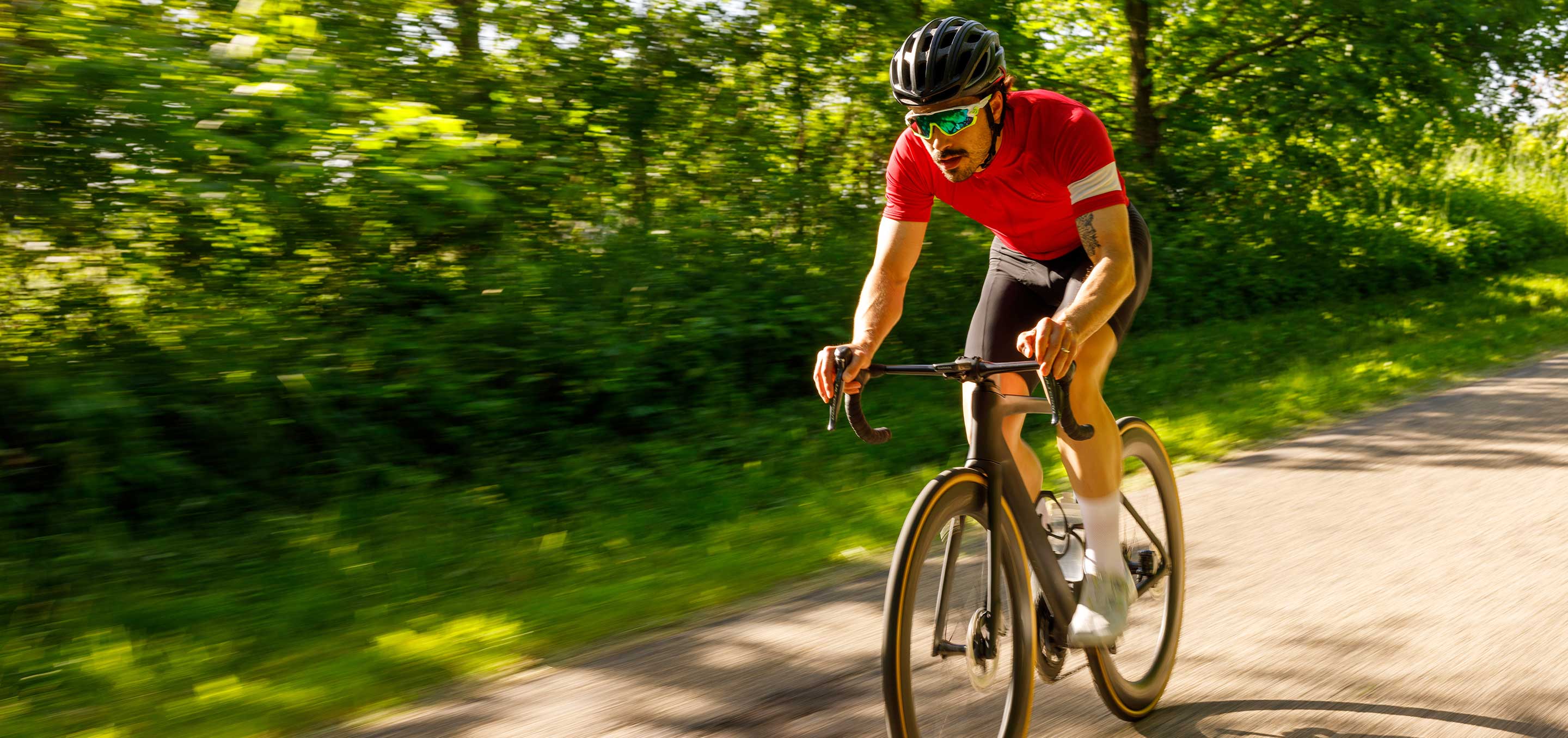
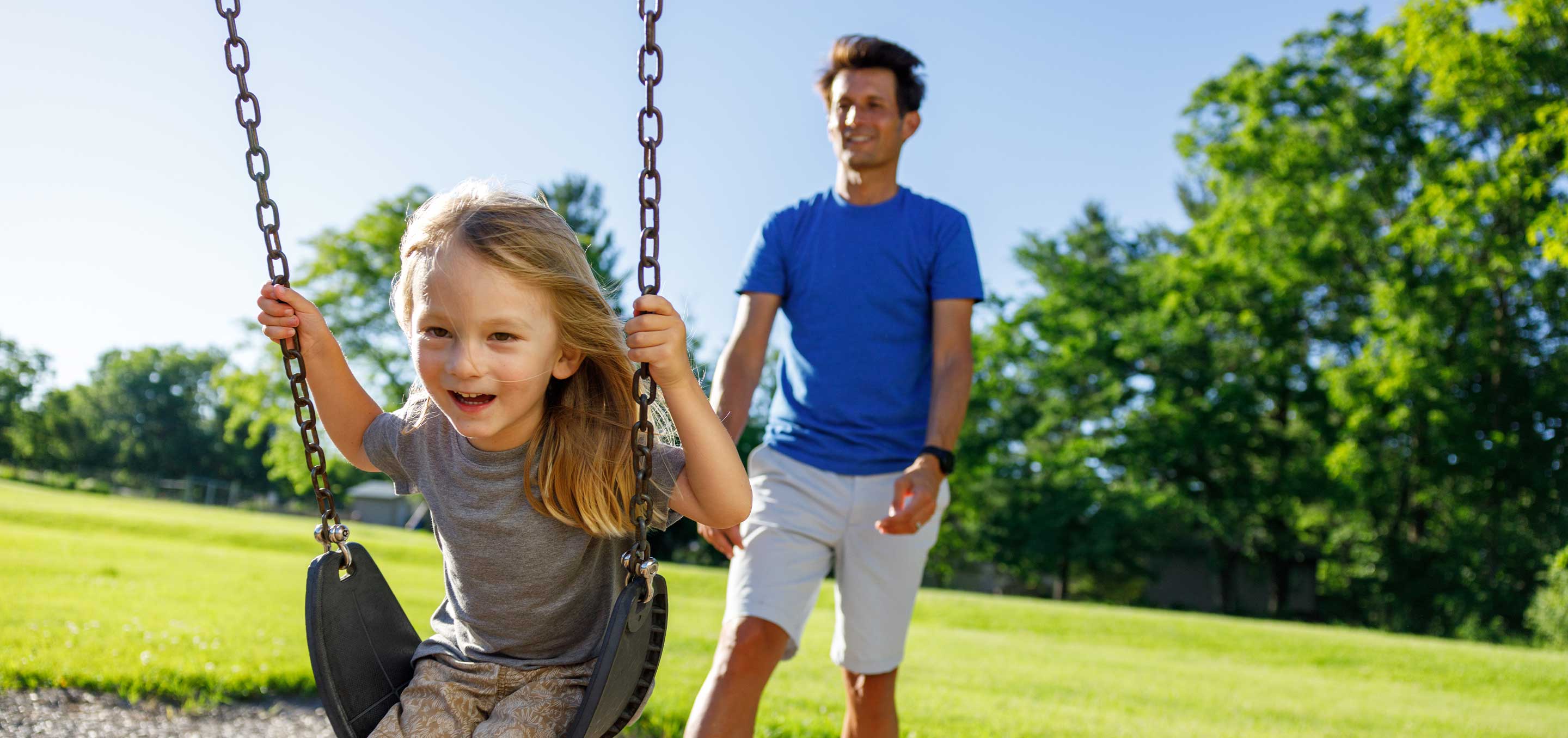
The CDC recommends that children and adolescents ages 6–17 get at least 60 minutes of moderate-to-vigorous physical activity daily, with activities that are age-appropriate, enjoyable, and varied. Organized fall sports can be a great part of that active lifestyle, but more isn't automatically better. The goal is sustainable movement that young athletes can continue to enjoy.
Preseason Preparation Goes Beyond Equipment
Sports physicals are another important part of preparing for school athletics. The American Academy of Pediatrics recommends incorporating the preparticipation physical evaluation into a child's routine well-child care rather than viewing it as paperwork to complete at the last minute. Families should follow their school, league, and healthcare provider's requirements for participation.
Preparation should also include the less visible parts of game day: knowing where practices and competitions take place, understanding the team's heat and weather procedures, packing hydration, and creating a schedule that gives the athlete enough time to eat and recover.
Make the Season About Progress
Back-to-school sports can bring pressure along with excitement. New teams, tryouts, playing time, competition, and performance expectations can make athletes feel like every practice has to be perfect. One of the best things parents and coaches can reinforce is that progress happens across a season. Some practices feel great. Some games don't. Athletes learn new skills, adjust to new roles, make mistakes, recover, and show up again. That's the mindset behind Keep Going.
The goal isn't only to get through tryouts or win the first game. It's to build a foundation that lets young athletes stay active, enjoy their sport, and continue developing long after the first school bell rings. With the right preparation, footwear, activity-specific support, recovery, and mindset, athletes can start the fall season ready for every practice, game, meet, and challenge ahead. Back to school isn't just about getting there, it's about being ready to keep going.
Fall Sports FAQs
Q: What sports are in the fall for kids and students?
A: Common fall sports include football, soccer, cross country, volleyball, field hockey, and golf, although seasons vary by school, state, age group, and athletic organization.
Q: What back-to-school sports supplies should young athletes have?
A: Start with properly fitting sport-specific footwear, appropriate socks, required protective equipment, hydration gear, uniforms, and any equipment required by the team. It's also a good time to inspect existing shoes and insoles for wear.
Q: How should athletes prepare for fall sports after summer break?
A: Training should build progressively rather than jumping immediately into maximum intensity. Athletes should also prioritize hydration, recovery, properly fitting equipment, and the heat-safety guidance provided by their coaches and athletic staff.
Q: How often should young athletes check the fit of their sports shoes?
A: Check throughout the season, particularly for growing athletes. If shoes suddenly feel tight, uncomfortable, less secure, or create new pressure points, reevaluate both the footwear and insole fit.
References
https://nfhs.org/resources/sports/nfhs-sports-medicine-position-statements-and-guidelines
https://www.cdc.gov/physical-activity/media/pdfs/Physical_Activity_Guidelines_2nd_edition.pdf
https://www.healthychildren.org/english/healthy-living/sports/pages/sports-physical-ppe.aspx