

Turf, Track, Court, or Road: How Different Surfaces Change the Way Your Feet Work
Most athletes think about shoes when they think about performance. But there’s another factor that plays an equally important role in how your body moves: the surface beneath your feet. Whether you’re sprinting on a track, cutting on a basketball court, accelerating on turf, or logging miles on pavement, the surface dramatically changes how your feet absorb force and generate movement.
Different surfaces alter foot biomechanics, impact forces, and stability demands. They influence how muscles activate, how joints load, and how quickly fatigue develops. Understanding how surfaces affect your feet can help athletes train smarter, reduce injury risk, and choose the right support for their sport.
Why Surface Matters for Foot Biomechanics
Your feet function as both shock absorbers and propulsion engines. Every time you take a step, your foot must:
- Absorb ground impact
- Stabilize the body
- Store and release energy
- Adapt to surface conditions
This process happens through a coordinated system of muscles, tendons, ligaments, and bones. But the surface you move on changes how that system behaves. Some surfaces return energy quickly. Others absorb impact. Some require strong traction, while others demand stability during rapid direction changes.
These differences influence the biomechanics of the feet, which is why athletes often feel dramatically different when switching surfaces.

Running on Hard Surfaces: The Demands of Road and Pavement
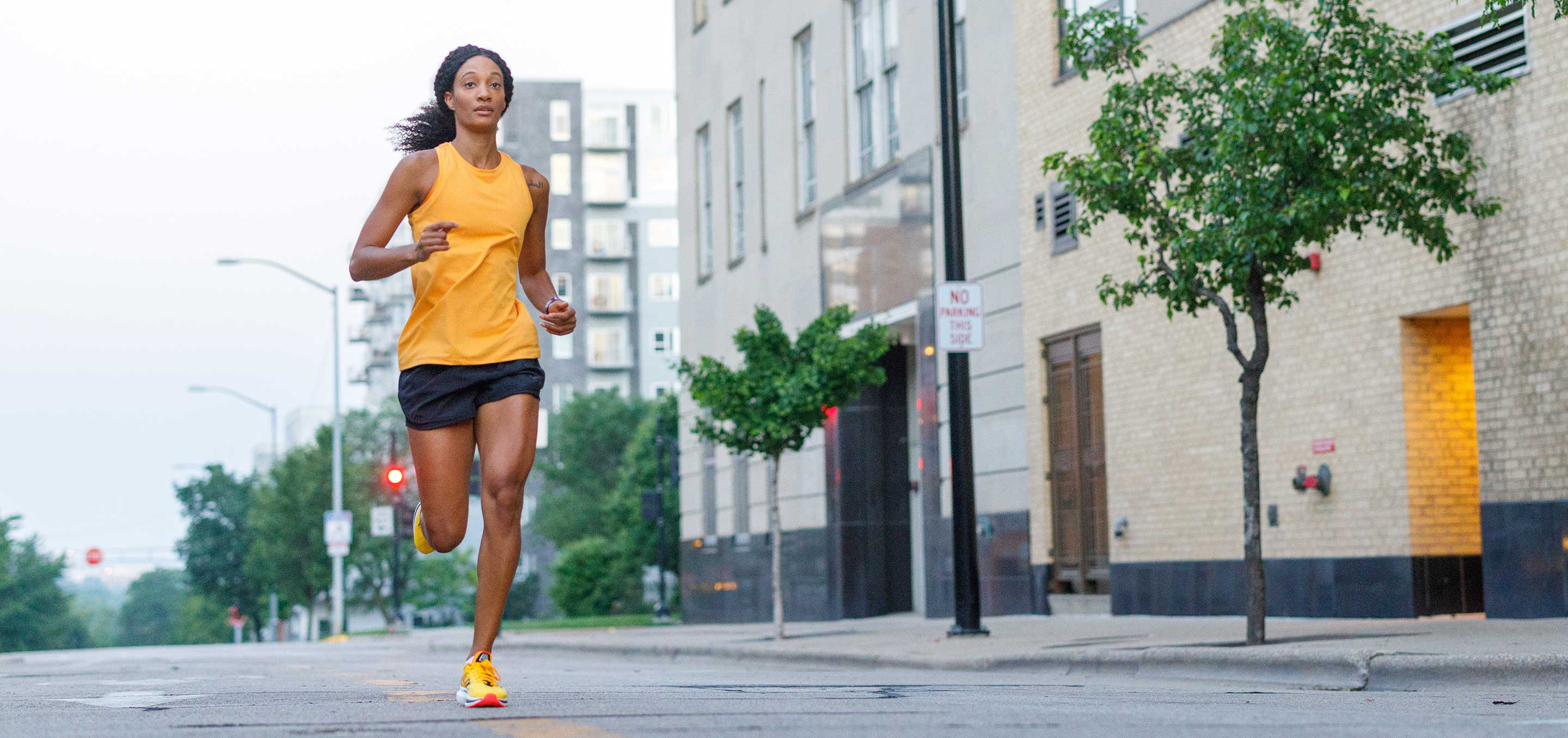
Road running is one of the most common athletic activities, but pavement presents a unique challenge for the feet. Unlike grass or dirt, pavement provides very little shock absorption. When your foot strikes the ground, the force must be absorbed almost entirely by the body.
How Pavement Changes Foot Mechanics
When running on hard surfaces, the foot relies heavily on:
- The arch to absorb impact
- The heel pad to cushion initial contact
- The calf muscles to control landing
Because pavement returns force quickly, runners often experience higher repetitive loading. Over time, this repeated stress can contribute to fatigue and overuse injuries if the foot lacks proper support.
Common Foot Stress From Road Running
Hard surfaces increase the risk of repetitive stress patterns such as:
- Shin splints
- Plantar fascia strain
- Stress reactions in the foot bones
- Achilles tendon irritation
This doesn’t mean pavement running is inherently harmful, but it does require adequate cushioning and alignment. For runners, sport-specific support like RUNPRO™ insoles can help distribute pressure more evenly and reduce the impact stress associated with road running.
Track Surfaces: Speed, Elasticity, and Forefoot Loading
Tracks are designed for speed. Modern running tracks are made from synthetic rubber compounds that provide energy return and moderate shock absorption. This makes them significantly different from pavement.
How Track Running Changes Foot Mechanics
Track surfaces encourage faster turnover, forefoot or midfoot striking, and increased propulsion from the toes. Because of this, the forefoot absorbs more load compared to heel-heavy road running.
Sprinters and middle-distance runners often rely heavily on:
- Toe flexor strength
- Calf power
- Achilles tendon elasticity
While tracks reduce impact compared to pavement, they also increase demand on the lower leg and forefoot structures. Over time, this can lead to fatigue in the metatarsals and calf muscles if athletes lack adequate support or recovery.
Turf Fields: Traction and Rotational Stress
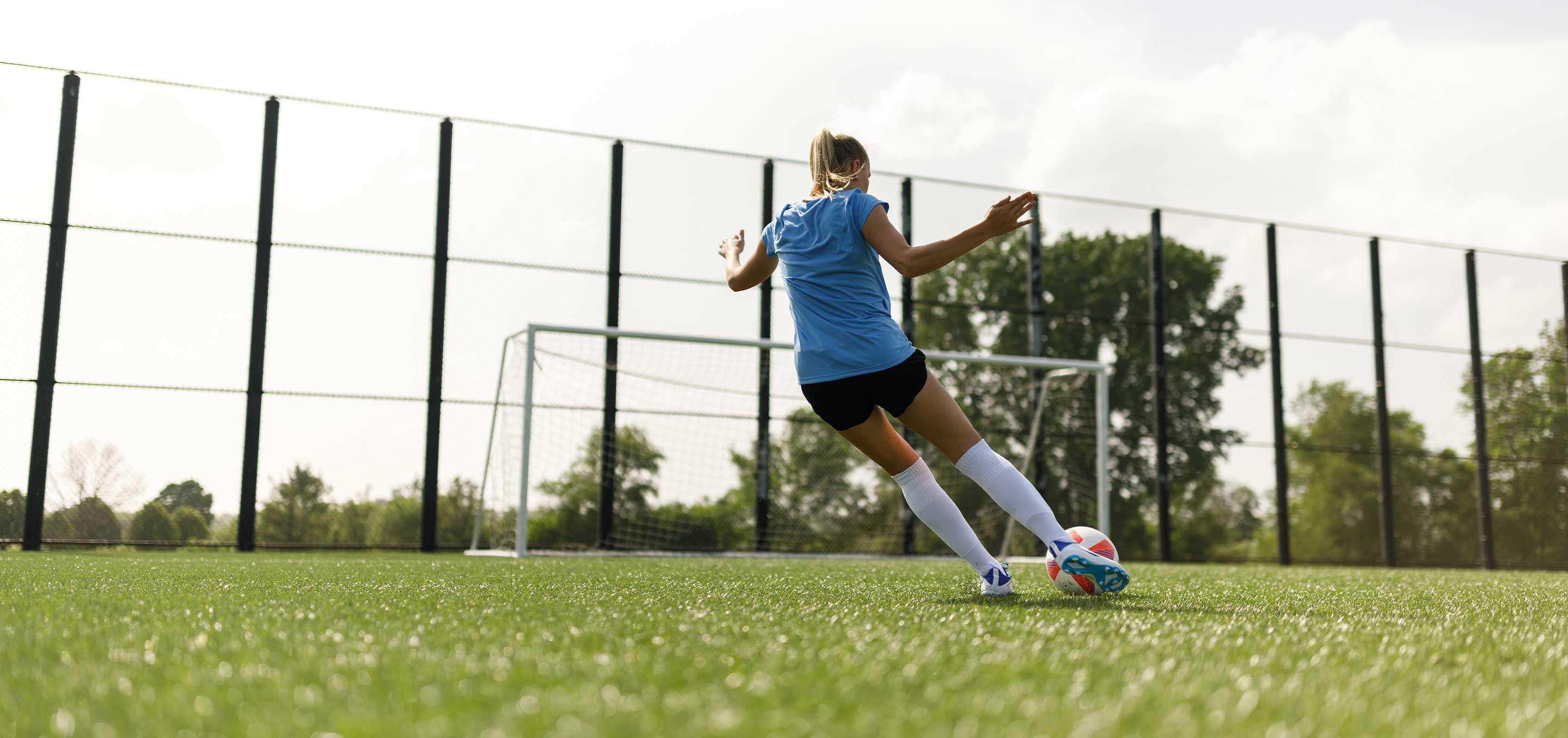
Artificial turf has become increasingly common in sports like soccer, football, and lacrosse. Unlike other surfaces, turf emphasizes traction and multidirectional movement. Athletes rarely move in straight lines. Instead, they sprint, cut, pivot, and accelerate repeatedly.
How Turf Affects Foot Biomechanics
Turf surfaces increase rotational forces through the foot, lateral stability demands, and torque on the ankle and knee. Cleats provide grip by anchoring into the turf, but that traction also means the foot must absorb more rotational stress.
Foot Stress Injuries on Turf
Some common issues associated with turf play include:
- Midfoot stress reactions
- Plantar fascia strain
- Achilles tendon irritation
- Forefoot overload
- Turf toe
Because cleats are narrow and low-profile, internal support becomes critical. Insoles designed specifically for cleated footwear, like CLEATPRO™, help stabilize the foot and improve pressure distribution inside tight-fitting cleats.
Court Surfaces: Lateral Movement and Explosive Load
Court sports create a completely different biomechanical challenge. Basketball, volleyball, and pickleball all involve rapid direction changes and repeated jumping. Unlike running sports, athletes rarely move continuously forward. Instead, they perform explosive bursts in multiple directions.
How Court Surfaces Change Foot Function
Court play demands high lateral stability, controlled landings from jumps, and rapid pivots and cuts. These movements place heavy stress on the arches and midfoot, which help stabilize the body during sudden directional changes.
Foot Stress From Court Sports
Repeated cutting and jumping can contribute to:
- Arch fatigue
- Metatarsal stress
- Ankle instability
- Heel impact soreness
Court athletes benefit from insoles that emphasize lateral stability and responsive cushioning. Products like BASKETBALLPRO™ and PICKLEBALLPRO™ are engineered specifically for these multidirectional demands.
What Is a Foot Stress Injury?
A foot stress injury occurs when repetitive loading exceeds the body’s ability to recover. Unlike sudden injuries, stress injuries develop gradually through repeated strain. These injuries often affect structures like the metatarsal bones, plantar fascia, tendons around the ankle, and arch-supporting muscles.
Common causes include training load increases, hard surfaces, poor footwear support, and muscle fatigue. When the foot becomes fatigued, its ability to absorb shock decreases. This shifts stress to bones and joints, increasing injury risk. Preventing these injuries often comes down to managing surface load, recovery, and support.
Why Sport-Specific Support Matters
Different surfaces demand different biomechanical responses from the feet. That’s why a one-size-fits-all approach to footwear support rarely works well for athletes. CURREX designs insoles specifically for these movement patterns.
- RUNPRO™ supports forward motion and repetitive impact in running
- CLEATPRO™ stabilizes the foot inside narrow cleats during field sports
- BASKETBALLPRO™ enhances stability and energy return during court play
- PICKLEBALLPRO™ supports rapid lateral movement and balance
Matching support to the surface you play on helps your feet move more efficiently and reduces unnecessary fatigue.
Training Smarter Across Surfaces
Many athletes train on multiple surfaces during the week. A runner may log road miles, then perform speed work on the track. A soccer player may train on turf but lift indoors on court surfaces. Understanding how surfaces affect foot biomechanics allows athletes to balance stress and recovery.
Strategies include:
- Rotating training surfaces to reduce repetitive load
- Adjusting footwear for each surface
- Incorporating recovery days for high-impact sessions
- Using sport-specific support when possible
Small adjustments like these can significantly reduce fatigue and help athletes stay consistent in training.
Every movement in sport begins at the ground. The interaction between your foot and the surface determines how efficiently your body absorbs force and produces power. While athletes often focus on shoes alone, the combination of surface, footwear, and internal support ultimately shapes how your feet function. Understanding these relationships allows athletes to make smarter decisions about training, recovery, and performance. When your foundation is stable, every movement above it becomes more efficient.
Foot Fatigue FAQs
Q: How do different surfaces affect foot biomechanics?
A: Different surfaces change how the foot absorbs impact and generates force. Hard surfaces increase shock loading, while turf and courts demand greater stability and traction.
Q: Is running on different surfaces better for your feet?
A: Yes. Rotating surfaces can reduce repetitive stress on the same structures and improve overall strength and adaptability in the feet and lower legs.
Q: What is a foot stress injury?
A: A foot stress injury occurs when repetitive loading exceeds the body’s recovery capacity. It often affects bones, tendons, or ligaments in the foot.
Q: Why do my feet hurt more on hard surfaces?
A: Hard surfaces like pavement provide minimal shock absorption, which increases impact forces traveling through the feet and lower legs.