

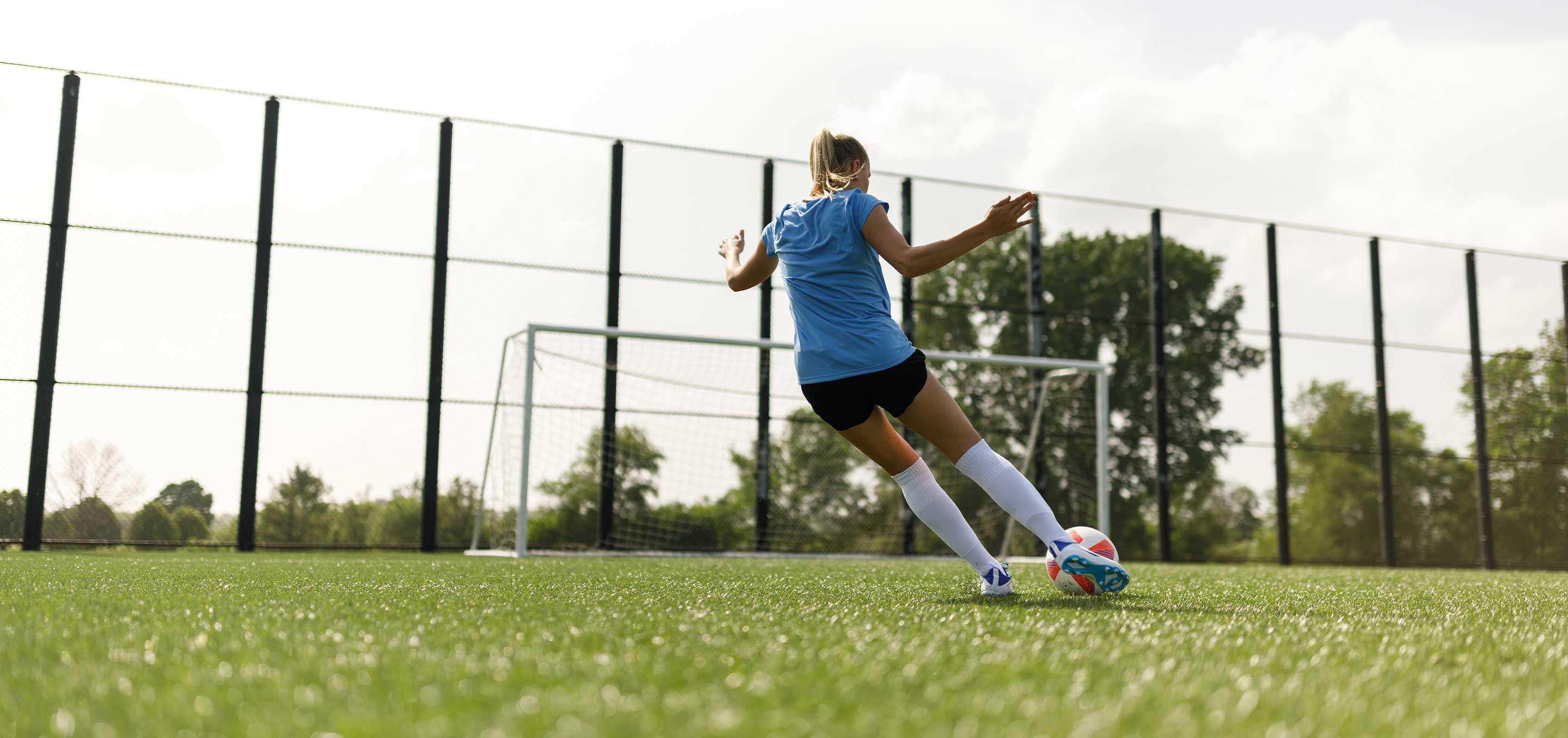



Soccer Game-Day Guide
Soccer game day starts long before kickoff. The best performances are rarely accidental. Whether you’re preparing for a youth tournament, a competitive club match, a college showcase, or even dreaming about the intensity of a soccer World Cup game, how you prepare matters.
Elite players understand that game-day success comes from consistency: proper fueling, quality recovery, mental preparation, and building a routine that allows the body to perform under pressure. The goal isn’t just to feel ready. It’s to create a repeatable system that helps you move confidently and stay sharp from the first whistle to the final minute.
Why a Soccer Game-Day Routine Matters
Soccer is one of the most physically demanding sports in the world. Players sprint, decelerate, cut laterally, react under pressure, and maintain focus for 90 minutes or more. A structured game-day routine helps reduce unnecessary fatigue while improving preparation and confidence.
When players skip preparation, performance often becomes inconsistent. Heavy legs, poor touch, reduced focus, and slower reactions can all trace back to inadequate fueling, hydration, sleep, or recovery.
A strong game-day routine helps athletes:
- Prepare mentally and physically for competition
- Reduce avoidable fatigue throughout the match
- Improve consistency under pressure
- Feel more confident entering the game
- Recover more effectively afterward
The Night Before the Match
Preparation begins well before game day itself. The evening before a match should focus on recovery, hydration, and setting up the body for performance.
Prioritize Sleep and Recovery
Sleep is one of the most overlooked performance tools in soccer. During sleep, the body repairs muscle tissue, restores energy stores, and supports cognitive recovery. Poor sleep can negatively impact reaction time, decision-making, and sprint performance.
The night before a match, aim for:
- Consistent bedtime routines
- Reduced screen time before sleep
- Proper hydration throughout the evening
- A balanced dinner with carbohydrates and protein
Instead of trying to “carb load” excessively, focus on eating normally and avoiding foods that may cause digestive discomfort.
Prepare Your Gear Early
One of the easiest ways to reduce game-day stress is organizing your gear the night before. This includes:
- Cleats
- Uniforms
- Shin guards
- Socks
- Water bottles
- Recovery gear
- Insoles or tape
Having everything ready creates a calmer mental state and allows players to focus entirely on performance the next day.
Fueling Before a Soccer Game
Nutrition directly affects endurance, focus, and energy levels during a match. Soccer combines aerobic endurance with repeated high-intensity bursts, making glycogen stores especially important.
What to Eat Before a Match
Pre-game meals should emphasize easily digestible carbohydrates along with moderate protein. Heavy, greasy, or unfamiliar foods are best avoided close to kickoff.
Good pre-game meal options may include:
- Rice with lean protein
- Oatmeal with fruit
- Pasta with grilled chicken
- Toast with peanut butter and banana
Most players benefit from eating their main meal 3–4 hours before kickoff, followed by a lighter snack closer to game time if needed.
Hydration Matters More Than Most Players Realize
Even mild dehydration can reduce endurance and concentration. Players should begin hydrating throughout the day rather than waiting until warmups begin. Electrolytes may also help during hot weather matches or tournament weekends with multiple games.
The Ideal Soccer Warmup
A good warmup is not just about breaking a sweat. It prepares the nervous system, muscles, and joints for explosive movement.
Dynamic Movement Before Kickoff
Soccer requires acceleration, deceleration, rotation, and lateral movement. Dynamic warmups prepare the body far more effectively than static stretching alone.
An effective warmup often includes:
- Light jogging
- High knees
- Lunges
- Lateral shuffles
- Open/close the gate drills
- Short acceleration runs
The goal is to gradually increase intensity while activating the muscles used most during competition.
Ball Work and Technical Preparation
After movement prep, players should transition into technical touches and passing patterns. This helps sharpen coordination and comfort on the ball before the game begins. For many players, this phase also helps mentally transition into competition mode.
The Most Overlooked Part of Soccer Preparation: Foot Support

Most players think about cleats first. Few think about what happens inside the cleat. Soccer places enormous stress on the feet because of constant sprinting, cutting, acceleration, and rotational force in a narrow-fitting shoe. Over time, poor internal support can contribute to fatigue, instability, and discomfort during matches.
Why Cleat Support Matters
Unlike running shoes, soccer cleats typically provide minimal cushioning and arch support. The low-profile design improves touch and responsiveness, but it also means the foot absorbs significant repetitive stress. Supportive insoles can help:
- Improve comfort inside tight-fitting cleats
- Reduce foot fatigue during long matches
- Enhance stability during cuts and pivots
- Help maintain consistent movement late in games
CURREX CLEATPRO™ insoles are engineered specifically for cleated sports, combining Dynamic Arch Technology™ with a low-volume design that preserves the natural feel of the cleat. Unlike generic insoles, CLEATPRO™ is built for the multidirectional movement and rotational demands of soccer. For players competing in multiple games across tournaments or high-volume training weeks, that support becomes increasingly important.
Mental Preparation Before Kickoff
Physical readiness matters, but so does mindset. A consistent mental routine can help reduce nerves and improve confidence.
Simplify Your Focus
Instead of overthinking performance, many elite players focus on controllable actions:
- First touch
- Communication
- Defensive positioning
- Work rate
- Staying composed under pressure
Focusing on small responsibilities often leads to better overall performance than obsessing over outcomes like goals or statistics.
Pre-Game Routines Build Confidence
Listening to music, visualization, breathing exercises, or consistent warmup habits can all help create familiarity before matches. Familiarity reduces stress and improves focus.
During the Match: Managing Energy and Performance
Soccer is a game of energy management as much as skill. Players who move efficiently often perform better late in matches.
Efficient Movement Matters
Constant sprinting without tactical awareness leads to unnecessary fatigue. Smart players conserve energy by:
- Maintaining positioning
- Scanning the field early
- Timing runs effectively
- Staying balanced during transitions
The goal is controlled intensity, not constant chaos.
Halftime Recovery
Halftime is an opportunity to reset physically and mentally. Players should focus on hydration, controlled breathing, light movement to stay loose, and quick tactical adjustments. Heavy eating during halftime is usually unnecessary. Simple carbohydrates or electrolyte drinks are often sufficient.
Recovery After the Final Whistle
Recovery begins immediately after the game ends. The faster players begin refueling and recovering, the better prepared they’ll be for future training and matches.
Post-Game Recovery Priorities
Within the first hour after competition, players should prioritize:
- Rehydration
- Protein and carbohydrates
- Light walking or cooldown movement
- Stretching or mobility work
Tournament players especially benefit from aggressive recovery habits between games.
Supporting Long-Term Durability
The best soccer players aren’t just explosive. They’re durable. Consistent preparation, recovery, and support help athletes stay available throughout long seasons. That includes paying attention to the feet, which absorb thousands of impacts and directional changes over the course of a season.
No two players are exactly alike. Over time, every athlete develops small adjustments to their game-day routine based on what helps them feel strongest and most confident. The key is consistency. The most effective soccer game-day guide isn’t necessarily complicated. It’s repeatable. When players consistently fuel well, recover properly, prepare mentally, and support their movement from the ground up, performance becomes more reliable over time. Whether you’re stepping into a local league match or imagining the pressure of an elite game, preparation creates confidence. And confidence allows athletes to play freely.
Soccer Game-Day FAQs
Q: What should I eat before a soccer game?
A: Focus on carbohydrates and moderate protein 3–4 hours before kickoff. Avoid heavy or greasy foods close to game time.
Q: How early should I arrive before a soccer match?
A: Most players benefit from arriving 60–90 minutes before kickoff to allow time for warmups, hydration, and mental preparation.
Q: Why do my feet hurt during soccer games?
A: Soccer cleats often provide minimal cushioning and support. Repetitive sprinting and cutting can create fatigue and pressure buildup over time.
Q: Do insoles help in soccer cleats?
A: Yes. Soccer-specific insoles like CLEATPRO can improve comfort, stability, and support during lateral movement and high-speed transitions.
Q: What’s the best way to recover after a soccer game?
A: Prioritize hydration, carbohydrates, protein, cooldown movement, and sleep to help the body recover effectively between matches