



Foot Fatigue: Why Your Feet Feel Tired
Few things derail a workout, walk, or long workday faster than tired feet. That dull ache in your arches, the burning sensation in the ball of your foot, or the heavy feeling that makes every step slower, these are all classic signs of foot fatigue.
While many people assume foot fatigue is simply the result of being on their feet too long, the reality is more complex. Foot fatigue develops when the structures in your feet such as muscles, tendons, and ligaments are repeatedly stressed without enough support or recovery.
Athletes experience it during high-impact sports, hikers encounter it on long trails, and workers feel it after hours of standing. Whether you’re chasing miles, climbing mountains, or navigating a busy workday, understanding why foot fatigue happens is the first step toward preventing it.
What Is Foot Fatigue?
Foot fatigue occurs when the muscles and connective tissues in the feet become overworked and strained. Unlike sudden injuries, fatigue builds gradually through repetitive stress.
Each foot contains 26 bones, 33 joints, and over 100 muscles, tendons, and ligaments. These structures work together to absorb shock, maintain balance, and propel you forward. Every step you take loads the foot with pressure. During activities like running, basketball, or hiking, that force can equal two to three times your body weight. Over time, those repetitive forces can cause the foot’s natural support system to tire out.
Common Foot Fatigue Symptoms
Foot fatigue can present in several ways. The symptoms may start subtly and gradually worsen throughout the day or activity.
Typical foot fatigue symptoms include:
- Aching or soreness in the arches
- Burning sensation in the ball of the foot
- Heavy or tired feeling in the feet
- Tightness in the plantar fascia or heel
- Reduced balance or stability when walking
- Increased discomfort after long periods of standing
Athletes may notice fatigue toward the end of a game or workout, while people in standing professions often feel it after a full shift. The key distinction between fatigue and injury is that fatigue improves with rest, but persistent fatigue may signal the need for better support.
Why Your Feet Feel Tired
Foot tiredness doesn’t happen randomly. It usually results from a combination of repetitive stress, footwear issues, and biomechanical factors.
Repetitive Impact
Activities like sports or working out place continuous impact forces on the feet. Each landing during a jump or stride compresses the foot’s arches and joints. Without adequate support, those structures work harder to stabilize the body.
Over time, this repeated stress leads to fatigue.
Athletes often notice this after:
- Long practices
- Extended games or tournaments
- High-mileage training cycles
Long Periods of Standing
Foot fatigue isn’t limited to athletes. Many people experience it simply from standing all day. Teachers, nurses, retail workers, and hospitality staff spend hours on hard surfaces with minimal opportunity for rest.
Standing causes the foot’s muscles to remain active constantly, supporting the body’s weight and maintaining balance. Over time, those muscles tire, especially if the shoes lack proper support.
Poor Arch Support
Your arch acts like a spring, absorbing and redistributing force with every step. When footwear lacks adequate arch support, the arch may collapse excessively during movement. This places additional strain on the plantar fascia and surrounding muscles.
Uneven Pressure Distribution
Another major cause of foot fatigue is uneven pressure across the foot.
Instead of force spreading evenly, certain areas, often the heel or forefoot, absorb more load. This concentrated stress can cause hot spots, soreness, and tired feet during activity.
Insufficient Recovery
Recovery is essential for the tissues in your feet. Athletes who train frequently without proper rest may experience fatigue simply because the muscles and connective tissues haven't had enough time to recover. The same applies to people who spend long hours on their feet day after day.
Foot Fatigue in Sports
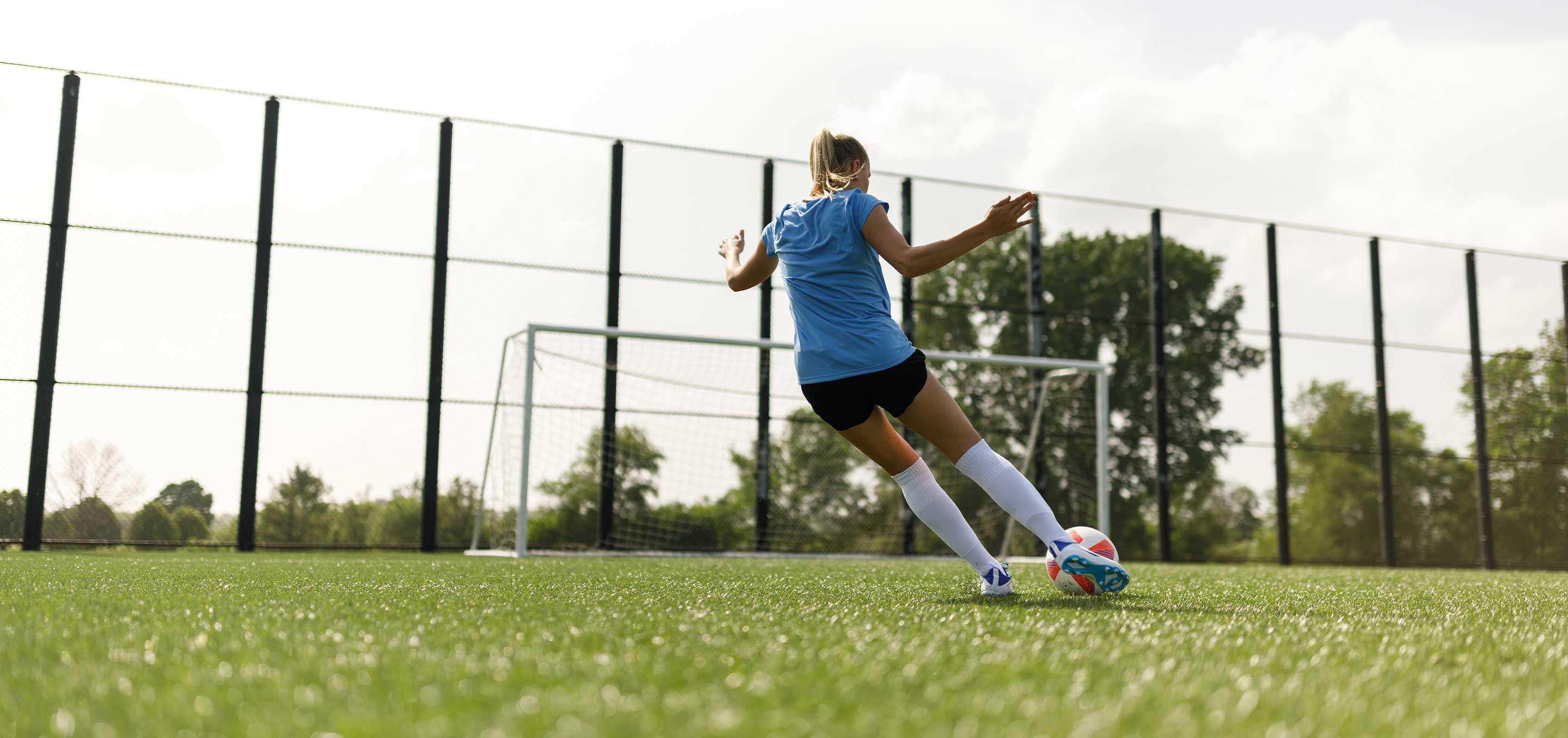
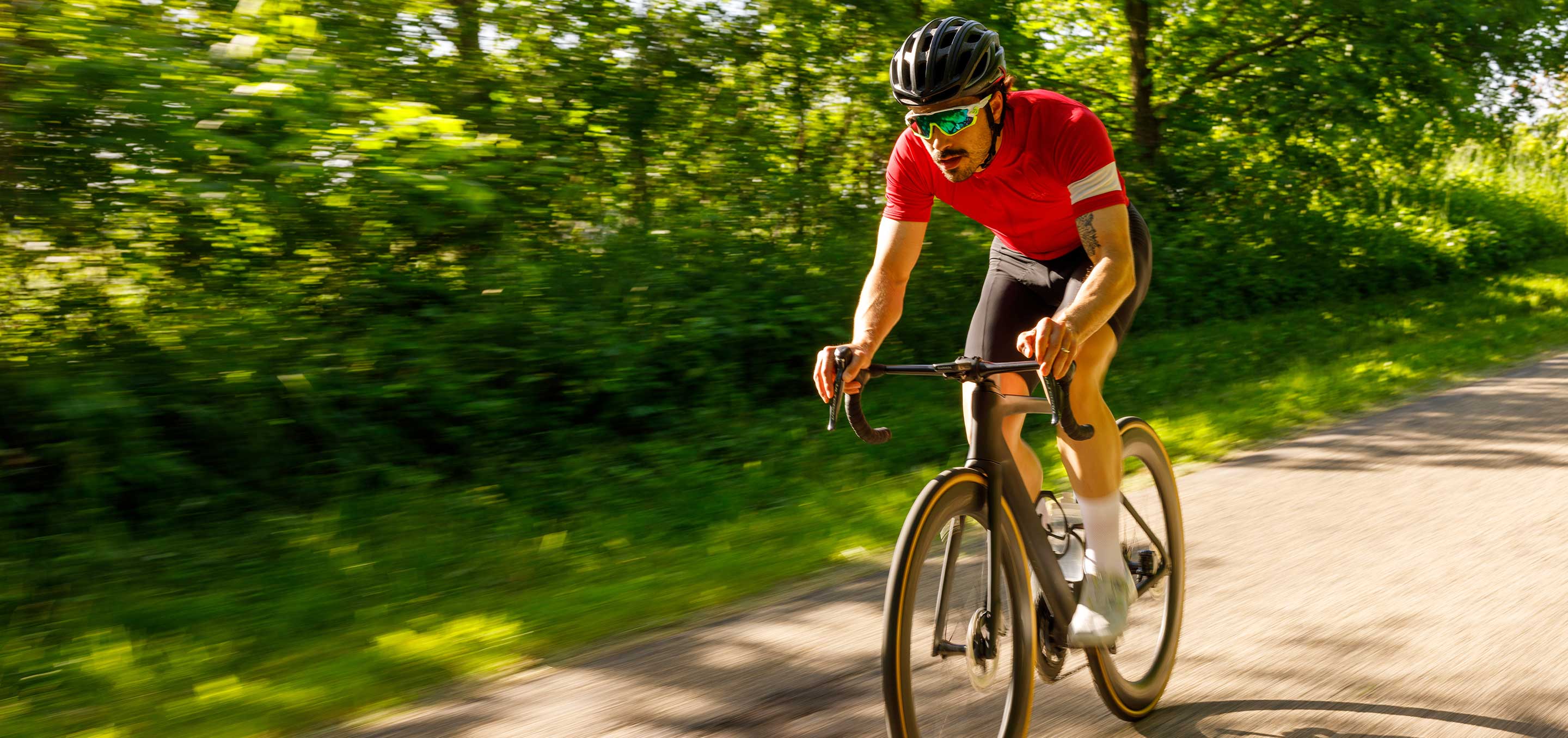
Different sports stress the feet in different ways. Endurance activities often involve thousands of repetitive impacts that gradually tire the muscles responsible for absorbing shock. Court sports place heavy demands on lateral stability, with constant cuts, pivots, and explosive jumps that challenge balance and foot control. Field sports combine sprinting, sudden directional changes, and rotational force inside cleated footwear, while outdoor activities like hiking introduce uneven terrain that forces the foot to constantly stabilize the body.
Despite these differences, the underlying cause of foot fatigue in sports is often the same: repeated load without adequate support. When the arch and surrounding muscles must work harder to maintain alignment and absorb impact, fatigue builds more quickly and movement becomes less efficient.
Sport-specific insoles can help address this by supporting the natural structure of the foot and distributing pressure more evenly during activity. CURREX designs insoles specifically for different movement patterns. By matching the insole to the demands of the sport, athletes can reduce fatigue and maintain more consistent performance over time.

Foot Fatigue in Everyday Life
Even if you’re not an athlete, your feet still carry you through thousands of steps per day.
Daily movement may include:
- Commuting
- Standing during work shifts
- Walking long distances
- Household activities
Without supportive footwear, these repetitive loads gradually fatigue the foot’s muscles.
People who stand or walk frequently often benefit from insoles designed specifically for daily wear. Options like CURREX SUPPORTSTP™ provide arch-specific support and cushioning that help reduce fatigue during workdays or travel.
How to Relieve Tired Feet
Improve Footwear Support
One of the most effective ways to relieve tired feet is improving the support inside your shoes. Supportive insoles help stabilize the arch, distribute pressure more evenly, and reduce strain on muscles and tendons. This allows the foot to work more efficiently during activity. CURREX makes insoles with real support, proven to reduce fatigue, improve comfort, and enhance performance.
Stretch and Strengthen the Feet
Gentle stretching can help relieve tightness and improve circulation in fatigued feet.
Helpful stretches include:
- Calf stretches
- Plantar fascia stretches
- Toe mobility exercises
Strengthening exercises can also improve the endurance of the foot’s intrinsic muscles.
Elevate and Rest Your Feet
After long periods of standing or activity, elevating the feet can reduce swelling and improve circulation. Even short rest periods help restore muscle function.
Use Recovery Techniques
Simple recovery methods can help relieve foot tiredness.
These may include foam rolling the calves, rolling the arch over a massage ball, and ice therapy for inflammation. These techniques help reduce tension and improve blood flow to tired tissues.
Preventing Foot Fatigue Long Term
Prevention focuses on supporting the foot before fatigue develops. Both athletes and everyday movers can benefit from wearing supportive footwear, replacing worn-out insoles regularly, rotating activity intensity during training, and incorporating foot-strengthening exercises into their routines. When the foot’s structure is properly supported, the muscles don’t have to work as hard to maintain balance and stability, which helps reduce strain and delay the onset of fatigue.
The Role of Insoles in Reducing Foot Fatigue
One of the simplest upgrades for tired feet is replacing standard shoe inserts with performance insoles.
High-quality insoles can:
- Improve arch alignment
- Absorb impact forces
- Enhance stability during movement
- Reduce pressure points
CURREX insoles use Dynamic Arch Technology™, which adapts to natural foot motion while maintaining support. Different models are designed for specific activities, and when the foundation of your movement is stable, the rest of the body works more efficiently. 77% of users said that CURREX insoles reduced fatigue during activities.
Foot fatigue is incredibly common, but it doesn’t have to be inevitable. Whether it comes from sports, long hikes, or everyday standing, tired feet are usually a sign that your body needs better support, recovery, or load management.
By improving footwear, strengthening your feet, and incorporating proper recovery habits, you can reduce fatigue and keep moving comfortably. Your feet carry you through every step of your day and giving them the support they need can make a meaningful difference in how you feel and perform.
Foot Fatigue FAQs
Q: What causes foot fatigue?
A: Foot fatigue is usually caused by repetitive stress, long periods of standing, inadequate arch support, and uneven pressure distribution during walking or activity.
Q: What are the most common foot fatigue symptoms?
A: Common symptoms include aching arches, burning in the forefoot, heaviness in the feet, reduced stability, and discomfort after prolonged standing or activity.
Q: How can I relieve tired feet quickly?
A: To relieve tired feet, elevate them, stretch the calves and arches, massage the foot with a ball or roller, and wear supportive insoles.
Q: Why do my feet get tired when standing all day?
A: Standing requires the foot muscles to constantly stabilize the body. Without adequate support or cushioning, those muscles fatigue over time.